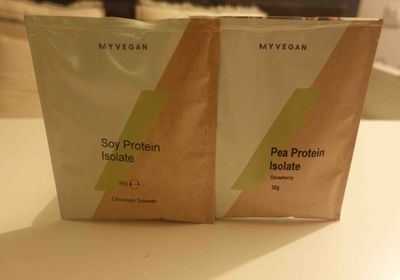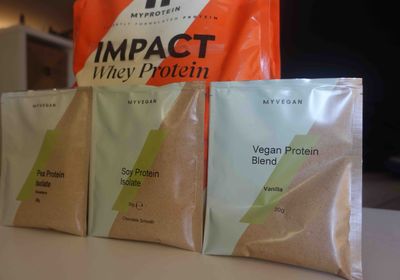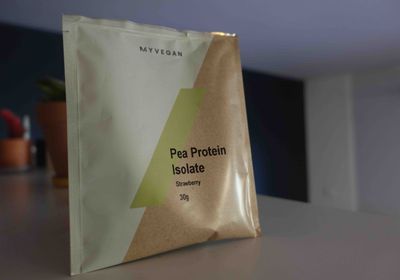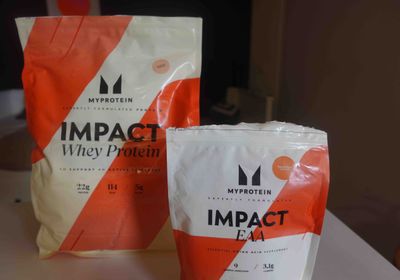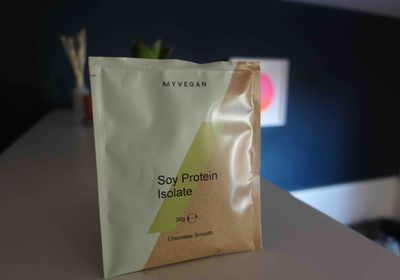
A packet of soy protein isolate

Soy vs Whey Protein Powder: Which is Best for You?

Protein Content As shown in the table below, soy protein supplements usually have at least as much protein as whey protein powder. 6 grams to repair their muscle tissue. For example, an 80-kilo individual would require 128 grams to meet their daily protein requirements.
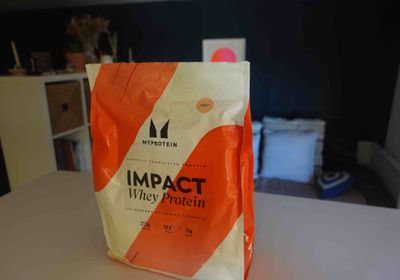
A bag of whey protein powder.

Collagen Protein vs Whey Protein: Which is Better?

What Are Whey Proteins and Collagen Peptides? Whey protein is a by-product of the cheese-making process. The collagen peptides used in collagen supplements are usually derived from cows. Bovine collagen is made from the connective tissue of cows. Thus, collagen is one of the main ingredients in beef bone broth.

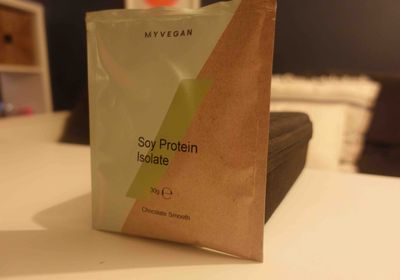
A packet for soy protein isolate

Soy Protein Concentrate vs Isolate: Which is Best?

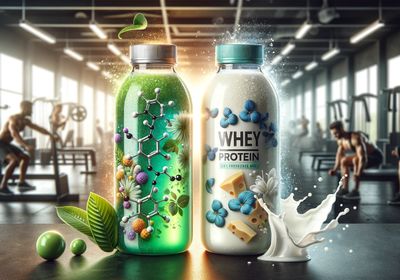
Soy proteins are as good as whey proteins for building lean muscle mass. As well as examining the evidence for this, we explore how soy compares to whey in terms of essential amino acids and protein content and look at some of the key health benefits of soy. , 2022).

Pea and soy protein powders

Which is Best – Whey, Soy, or Pea Protein Powder?

Essential Amino Acids Whey powders are often considered the "gold standard" due to their complete amino acid profile. , 2018) Grams of Essential Amino Acids per 100 Grams of Pea Protein Isolate and Whey Protein Isolate To discover more about these types of protein powder, check out my article comparing whey and pea protein.

Plant and whey proteins

Plant vs Whey Protein: Which is Best for Bodybuilding?

Plant-based sources of protein are as effective as whey protein for bodybuilding. Here's why: Essential Amino Acids Proponents of dairy-based proteins like to say that plant protein supplements provide incomplete proteins. It's not true: Brown Rice Protein Powder vs. , it has all of the essential amino acids; Kalman, 2014). , 2006).

A bag of pea protein isolate

Pea vs Whey Protein Powder: Which is Better for You?

I've been a whey guy for years. When I started using protein powder, there weren't that many options. Now there are loads. And many powders made from plant proteins have really good macronutrient and essential amino acid profiles. Pea protein powder, made from yellow peas (specifically, yellow split peas), is one of them.

EAA and protein supplements

Essential Amino Acids (EAAs) vs Whey Protein Powder

As a long-time lifter and ultra runner, I use whey protein every day and take essential amino acid supplements during workouts. Since whey is a complete protein source, it contains all essential and non-essential amino acids (1). , phenylalanine, tryptophan) are quite low in whey protein. , amino acids not bound up in complex protein molecules), which may facilitate their digestion.

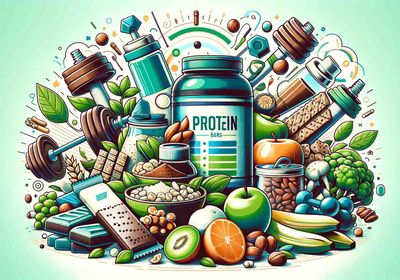
An image representing a comparison between protein powders and protein bars

Protein Powders vs Protein Bars: Which is Best?

I lift most days and am training to run 100 km at the end of the year, so not a day goes by without me thinking about protein. If you train a lot, too, perhaps you're the same? I try to get a decent amount of protein from real foods, but it can be challenging, so I rely heavily on protein powder. I use it to make shakes, smoothies, porridge, and pancakes—and I even have it in my cereal.

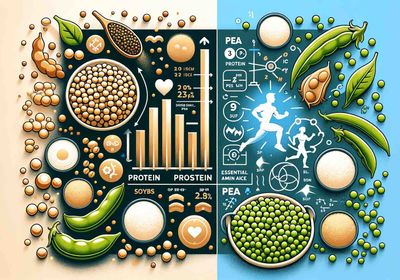
An image representing a comparison between soy protein and pea protein

Soy Protein vs Pea Protein: Which Powder is Better?

For years, my go-to protein powder has been Myprotein's whey protein concentrate. As discussed in my article comparing whey and egg protein , whey is a very high-quality protein. But it does give me some—let's say—"digestive issues".

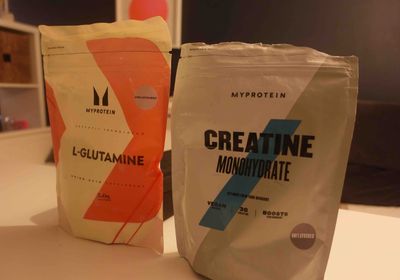
Glutamine and creatine

Glutamine vs Creatine: A Comparison of Their Benefits

As someone who lifts most days and is training for ultramarathons, I'm interested in how the supplements I consume may affect my body and performance. I've taken creatine monohydrate for years. It's cheap and probably has more scientific evidence supporting its safety and effectiveness than any other supplement.

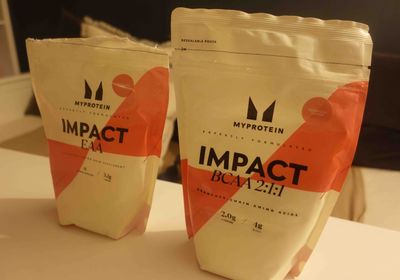
EAAs and BCAAs

EAAs vs BCAAs: Which is the Best Option for You?

Amino acids are organic compounds that are often referred to as the building blocks of protein, as they're what proteins are made of. There are two main types of amino acids: non-essential amino acids (those the body can make itself) and essential amino acids (those that need to be consumed).

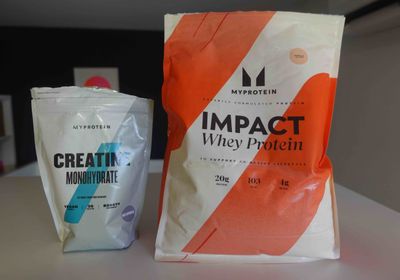
Bags of creatine and whey protein

Creatine vs Whey Protein: Which is Better for You?

People usually use protein powder as it increases muscle protein synthesis (1), which refers to the incorporation of amino acids into muscle cells and promotes muscle growth and muscle repair. On the other hand, creatine increases the availability of adenosine triphosphate (ATP), a crucial energy source that plays an important role in muscle contractions.

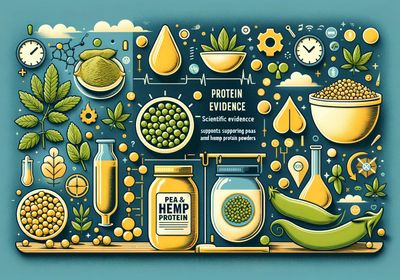
An image representing hemp and pea protein powders.

Hemp vs Pea Protein Powder: Which One is Better?

, lactose intolerance). Fortunately, there are numerous vegan protein powders that represent excellent sources of protein. Here, we focus on two plant-based protein sources—pea and hemp protein—and look at the scientific evidence on how much protein they provide, whether either is a complete protein source, and their potential health and fitness benefits.

Beta-alanine and BCAA supplements

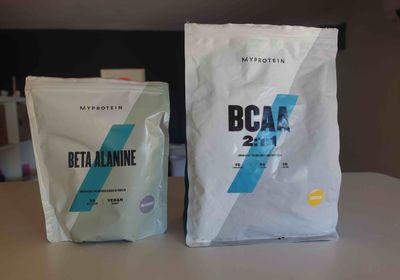
BCAA vs Beta-Alanine Supplements: Which Should You Take?

As someone who lifts most days, I've been taking branched-chain amino acids (BCAAs) for years. Since there's loads of evidence that they improve body composition, strength, endurance, and recovery , you can get them from Myprotein for less than £20, and they make water taste good, it's almost a no-brainer.

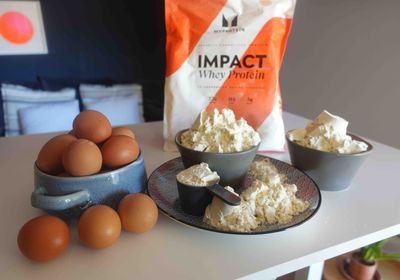
Lots of eggs and whey protein powder

Eggs vs Whey Protein Powder: Which is Better?

As someone who lifts 5–6 times per week and who is training for ultramarathons, I eat a lot of protein. 7 grams of protein per kilo of body weight per day. At 96 kilos, this means I eat at least 163 grams of protein daily. My main protein of choice is Myprotein's whey concentrate , but I eat eggs virtually every day, too (see pics below!).

An image representing whey and casein proteins

Whey vs Casein Protein Powder: Which is Better?

7 grams of protein per kilogram of body weight each day. As getting so much protein from real foods can be challenging, whey and casein protein powders are widely used for those looking to increase their protein intake and enhance their muscle growth and recovery following endurance or resistance training.

A pea pod

The Key Benefits of Brown Rice and Pea Protein Powder

Brown rice and pea protein powders are popular for those following a plant-based diet or who need to avoid dairy products or animal sources of protein due to lactose intolerance or other adverse effects. Below, we take a look at these two types of protein powder in terms of their amino acid profiles and the amount of protein they provide.

An image representing the best protein supplements for weight loss

The Best Protein Powders for Weight and Fat Loss

For individuals looking to reach their weight loss goals while developing their muscles and strength, protein supplements can be an excellent choice. 7 grams of protein per kilogram of body weight per day *. Therefore, a 100-kg individual may require up to 170 grams of protein daily.

A protein shake for a diabetic

The Best Protein Supplements and Powders for Diabetics

Diabetes, a condition marked by irregular blood sugar levels, necessitates careful dietary management. Among the essential nutrients, protein plays a crucial role in overall health and in muscle mass maintenance and satiety, which is important for weight management and avoiding hunger pangs (1).

An image representing the best protein supplements for weight gain.

The Best Protein Powders and Supplements for Weight Gain

If you're interested in developing your lean muscle mass, protein supplements can be a great addition to your diet. Below, we'll take a look at some of the best protein powder products as well as other high-protein supplements that provide a convenient way of increasing your protein and caloric intake.

An image representing the best protein powders for seniors

The Best Protein Powders and Supplements for Seniors

As it ages, the human body undergoes various changes, including the loss of muscle mass. This makes it crucial for older adults to ensure they're getting enough protein in their diets. Protein supplements can be a convenient way to achieve this, especially for senior citizens who might struggle with meeting their daily protein requirements through whole foods alone.

An image representing hemp and why protein powders.

Hemp vs. Whey Protein Powder: Which is Best?

In recent years, the popularity of protein supplements has surged among fitness enthusiasts and health-conscious individuals. Among the plethora of options, hemp and whey protein powders stand out due to their unique nutritional profiles and health benefits.

BCAA and whey protein supplement drinks

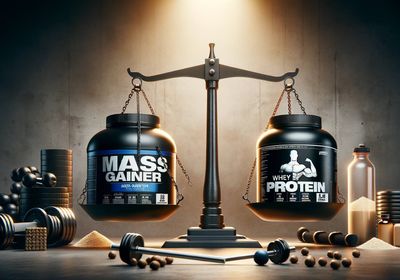
BCAAs vs. Whey Protein Powder: What's the Difference?

BCAAs and whey protein powder are dietary supplements touted for their muscle-building capabilities and are integral in supporting muscle protein synthesis, a key factor in achieving lean muscle mass and fitness goals. Understanding the benefits and limitations of these supplements is crucial in determining the best option for individual dietary and fitness needs.